Uncategorized

New publication by PhD-student Han: ADHD and creativity in childhood

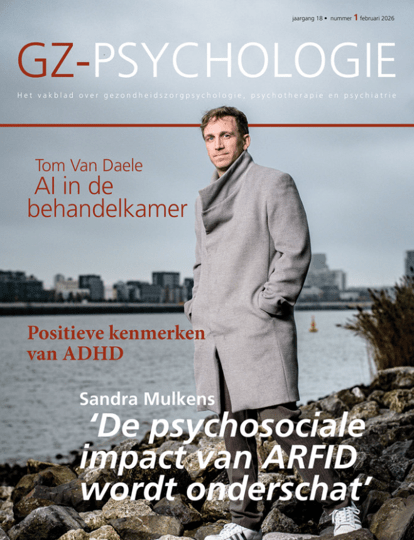
September 2026: A new study by Han Fang, Teemu Toivainen, Corina Greven, and Martine Hoogman, published online in the Journal of Experimental Child Psychology, explores the relationship between childhood ADHD traits, writing-based creativity, and later well-being.

Creativity is often discussed as a potential strength associated with ADHD, and some studies in adults support a positive association. However, evidence in children remains limited, particularly for creativity assessed through completed creative products.

Using data from 1,170 children in the Twins Early Development Study, the researchers examined ADHD traits at age 8, creativity in written stories at age 9, and well-being at age 16.

The study found a small negative association between inattentiveness and writing-based creativity. Hyperactivity/impulsivity was not significantly associated with writing-based creativity. The researchers also found no evidence that this form of creativity buffered the association between childhood ADHD traits and lower well-being in adolescence.

These findings underline the importance of being specific when discussing creativity in ADHD. Performance on a written-story task does not capture the full range of creative abilities, and the results cannot be generalized to all forms of creativity or all developmental stages. A small association at the group level also does not determine an individual child’s creative strengths or potential.

Our group’s other (unpublished) qualitative studies in parents of children with ADHD and in teachers identify creativity associated with ADHD, therefore the current findings leave open the possibility of positive associations in other creative domains or at other developmental stages. They also raise questions about whether differences in creativity assessments might help explain the contrasting findings across studies of children and adults.

For our group, developing a balanced understanding of ADHD includes investigating where proposed strengths are supported by evidence and where the picture is more complex. This study highlights the need to examine different forms of creativity across development.

Building on these questions, Han is working on a systematic review and meta-analysis examining ADHD and different domains of creativity in children and adults. This work is not yet published, and we look forward to sharing the findings when they are available.

Read the open-access article:
“The relationship between product-based creativity and ADHD traits in children and the associations with later well-being”
https://doi.org/10.1016/j.jecp.2026.106670

Uncategorized

Shortlisted for the Radboudumc Open Science Award 2026

After winning last year’s Radboudumc Envision award, we were shortlisted for the Radboudumc Open Science Award this year.

The close collaboration between the Sensitivity Lab (PI Corina Greven) and my lab (Positive aspects of neurodevelopmental conditions) was shortlisted for the Radboudumc Open Science Award 2026. This year the focus was on citizen science. With the involvement in Hooggevoelig Heel Gewoon and Hoogsensitief.nl, the realization of the ongefilterd- campaign, the founding of the ADHD science Platform and the Radboudumc neurodiversity network ‘SUNNI’ and we have collectively created many new citizen science projects within the domain of neurodiversity.

We did not win but we all get a lot of energy by practicing open science, we believe that “Science advances most effectively when knowledge is shared openly and created together with the public.”

more information here: Reflection, recognition, and next steps at Research Strategy Day 2026 – Three Radboudumc research awards announced at Strategy Day – Radboudumc

and here https://www.radboudumc.nl/getmedia/7c8059f1-5a61-4025-80db-ffdb3f0cc359/Award-ceremony-17-June-2026.pdf

Uncategorized

ADHDplaza in Didactief

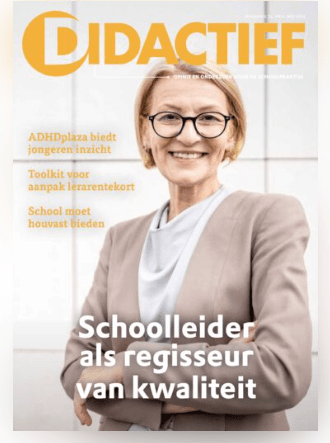
Mei 2026: Voor ons ADHDplaza project ontwikkelden wij een les over ADHD voor middelbare scholen. We delen die les op onze website en hopen dat docenten hier gebruik van maken, en hem bijvoorbeeld gebruiken tijdens een mentor uur. Onze ervaring is dat met name jongeren met ADHD die in de les zitten, het fijn vinden om op deze manier een ingang te vinden om eens stil te staan bij hoe het voor hen is. We hebben de les samen met een jongerenpanel en met onderwijs professionals ontwikkeld. Het onderwijsvakblad Didactief schrijft hier over.

Uncategorized

Lecture about ADHD at the Donders Open day

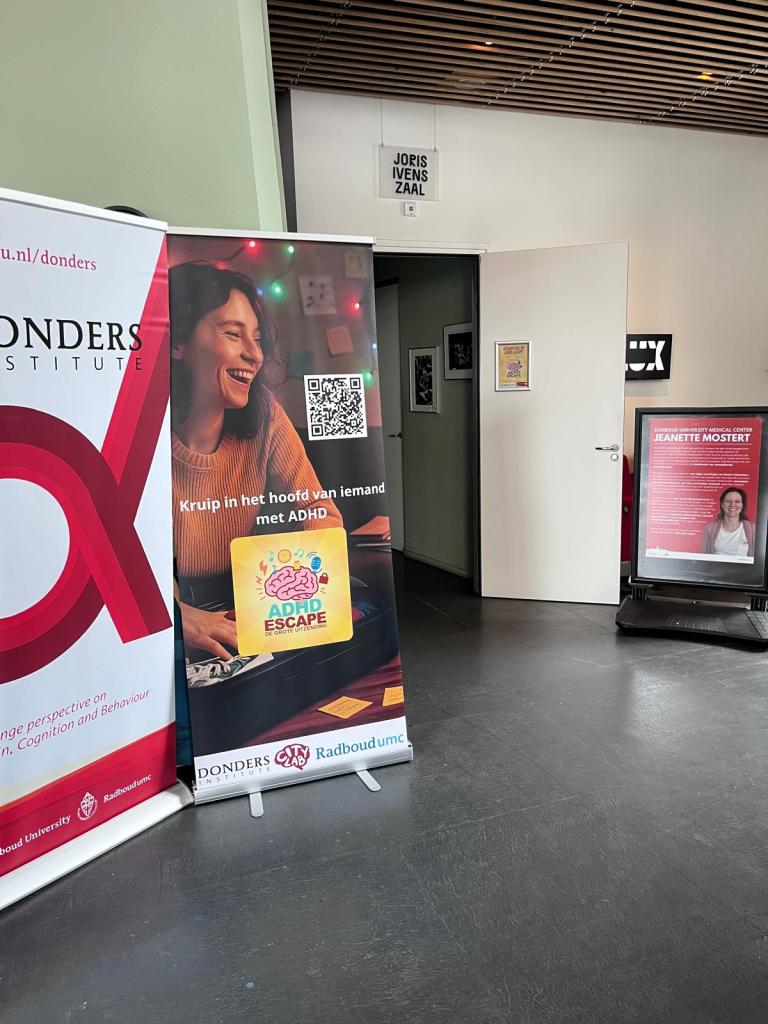
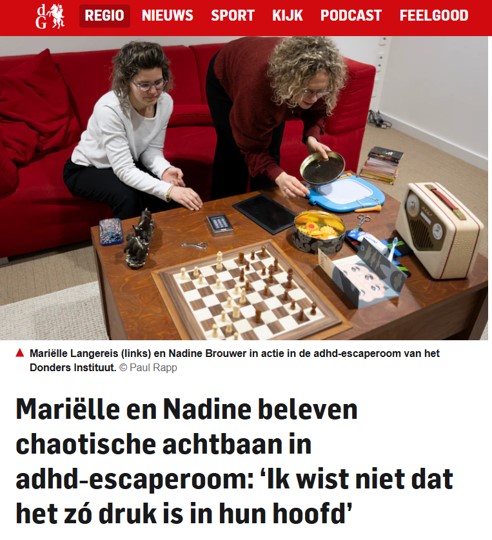
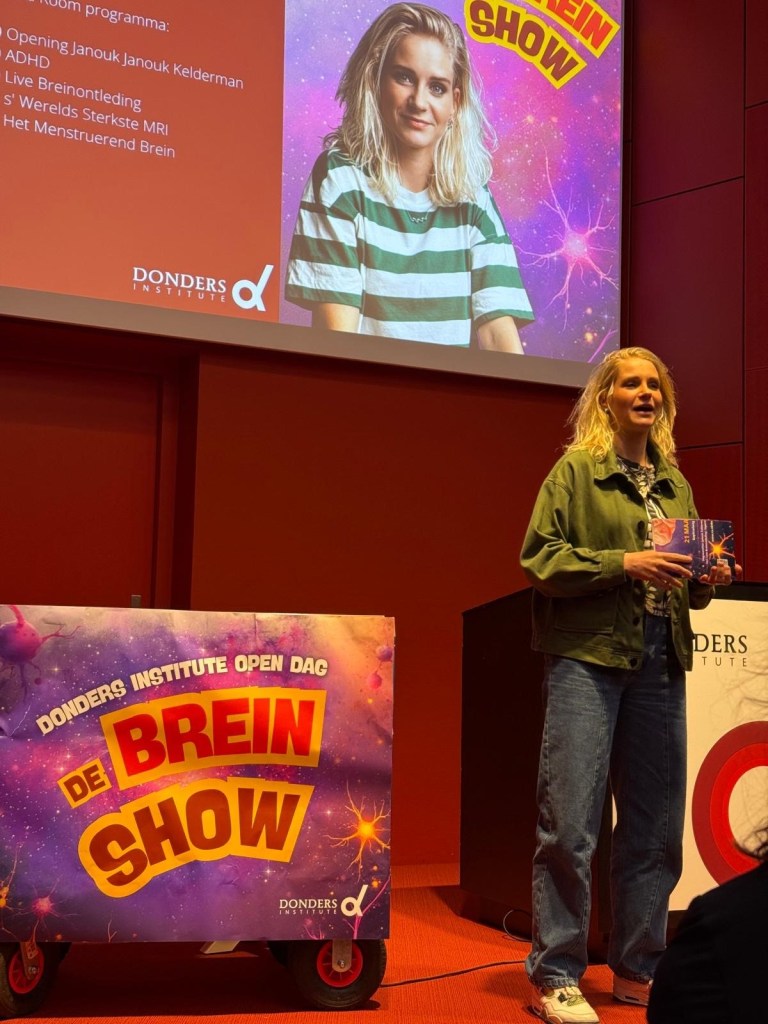
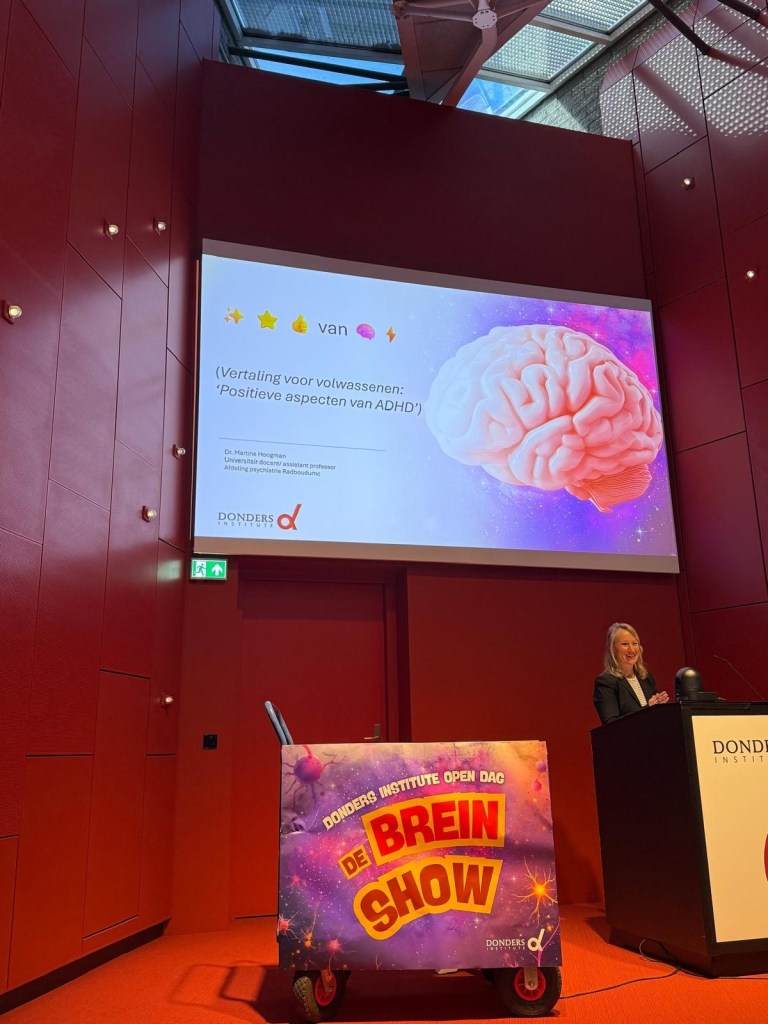
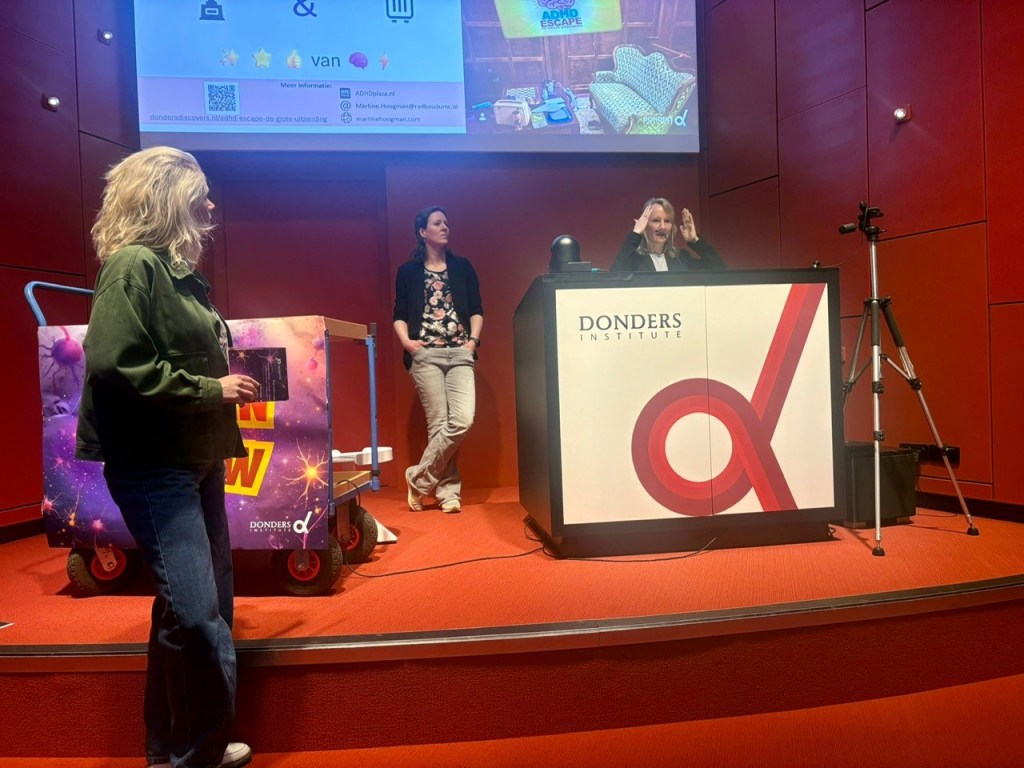
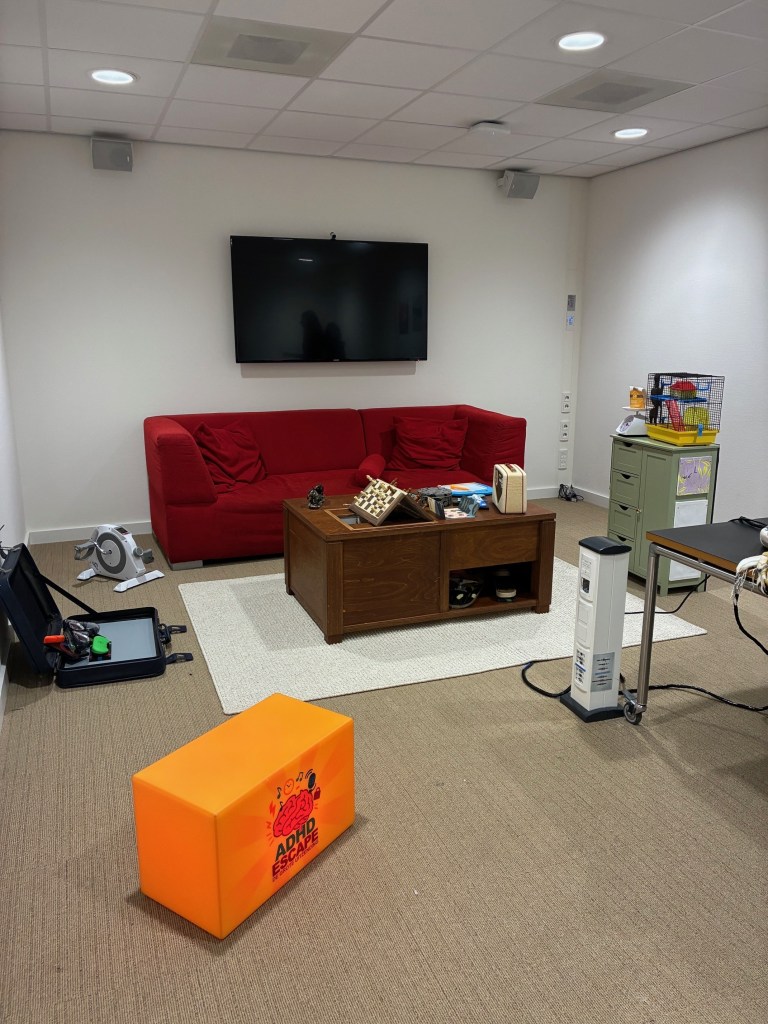
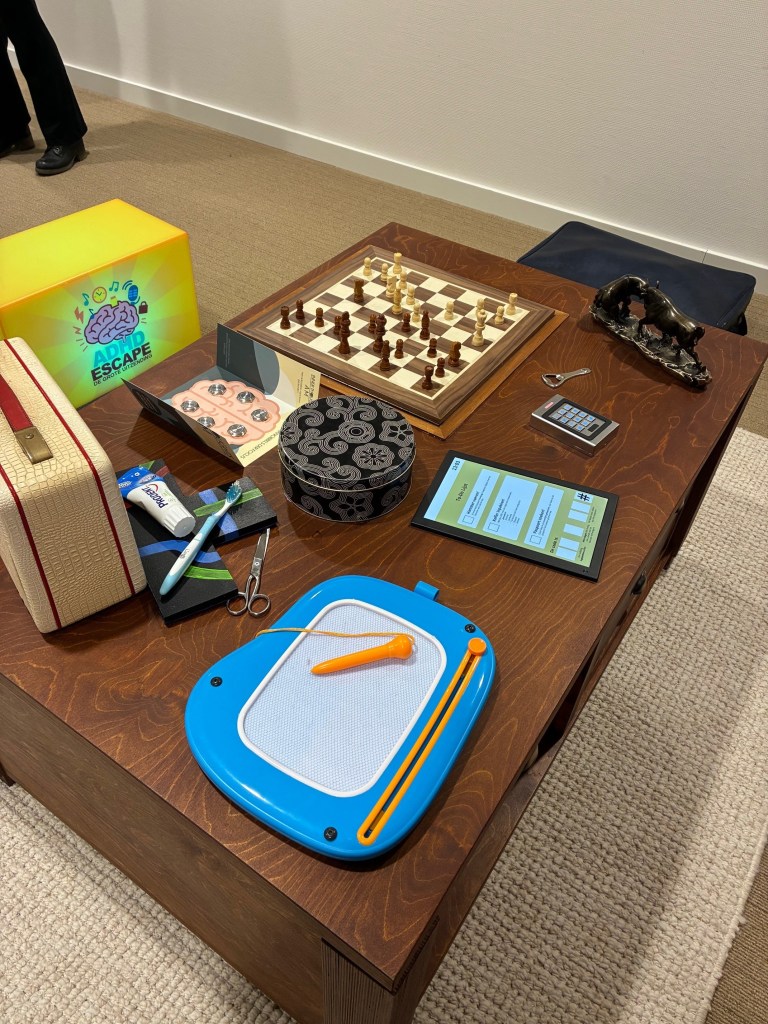
March 2026: on the 21st of March the Donders Institute opened their doors for the public. On this day many researchers displayed their work; there were lab tours, escape rooms (also ours), short talks, experiments and experiences. Martine gave a lecture about positive aspects of ADHD in the Red Room. The room was full and many questions were answered!

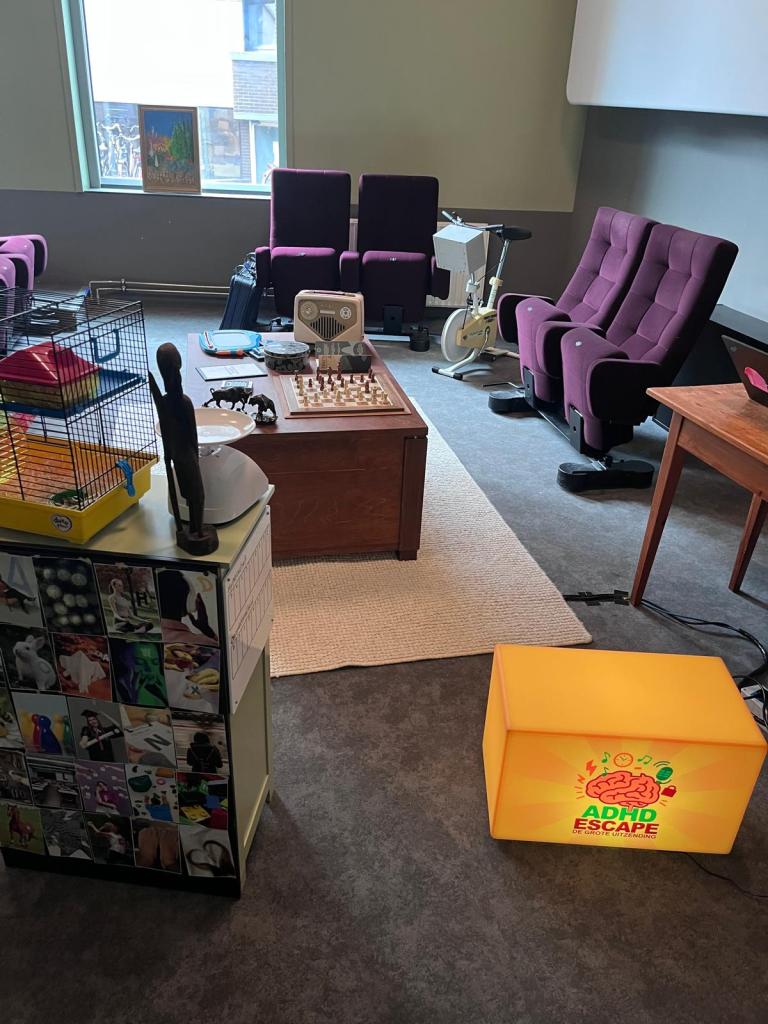
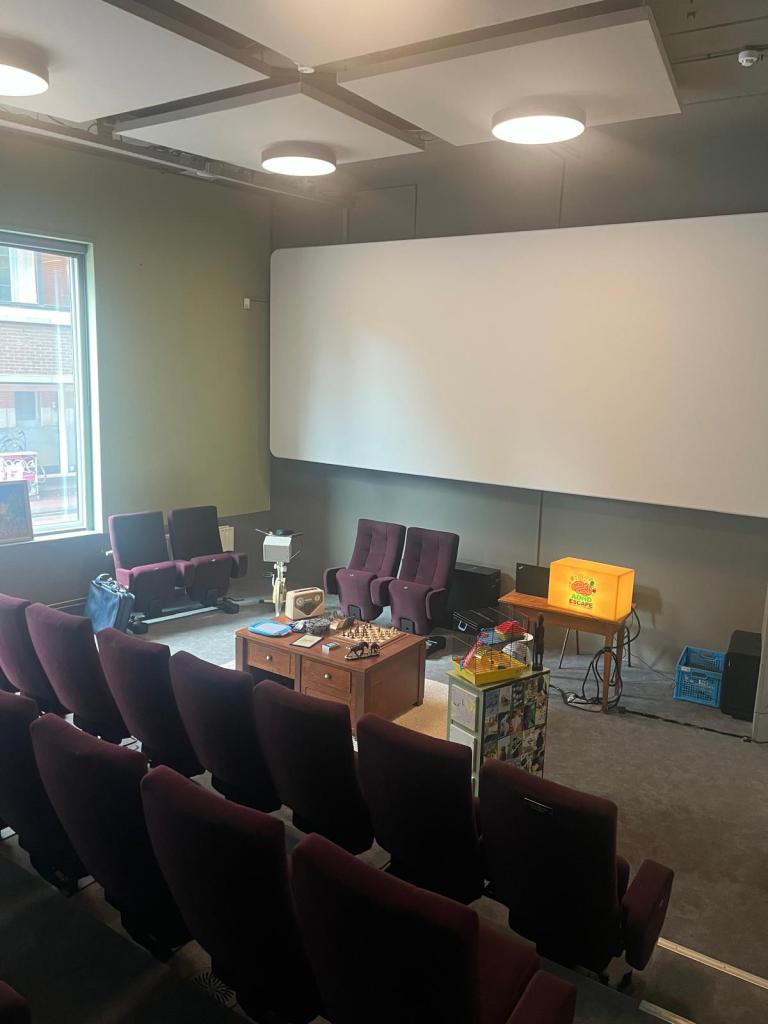
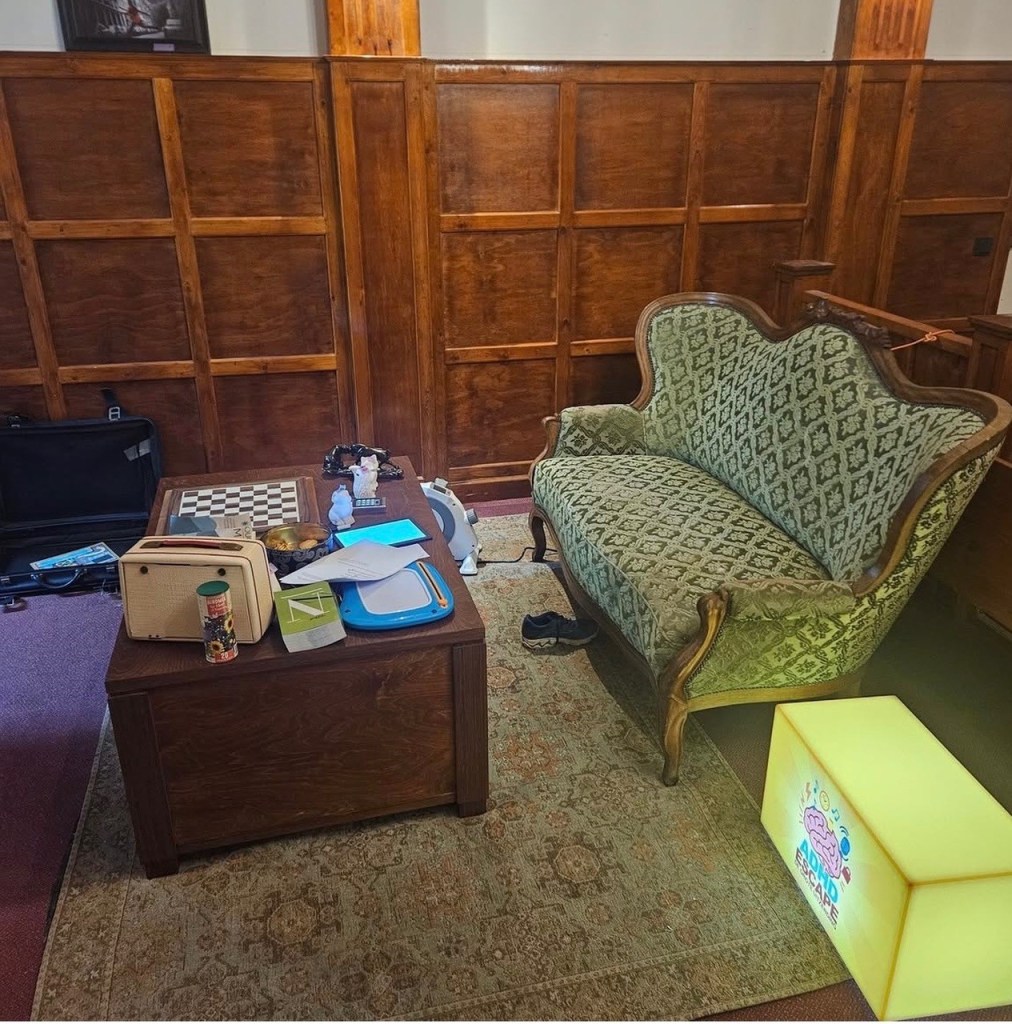
Also our ADHD escape room was open and ready to be played!

Uncategorized

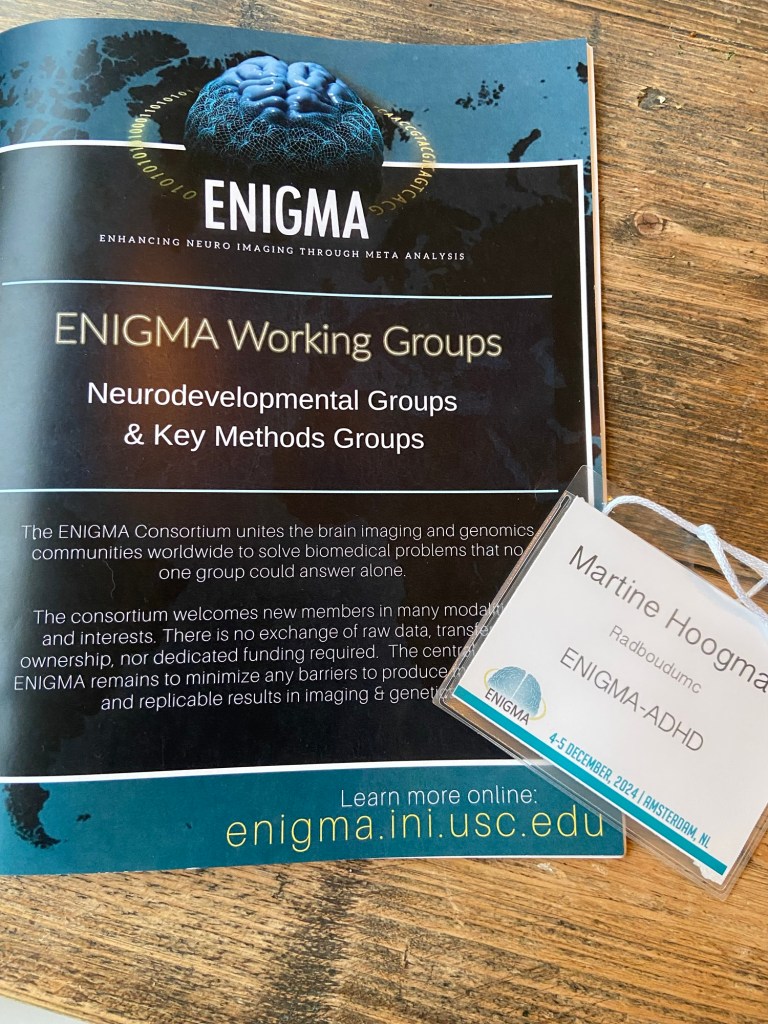
ENIGMA Summit 2024 Amsterdam

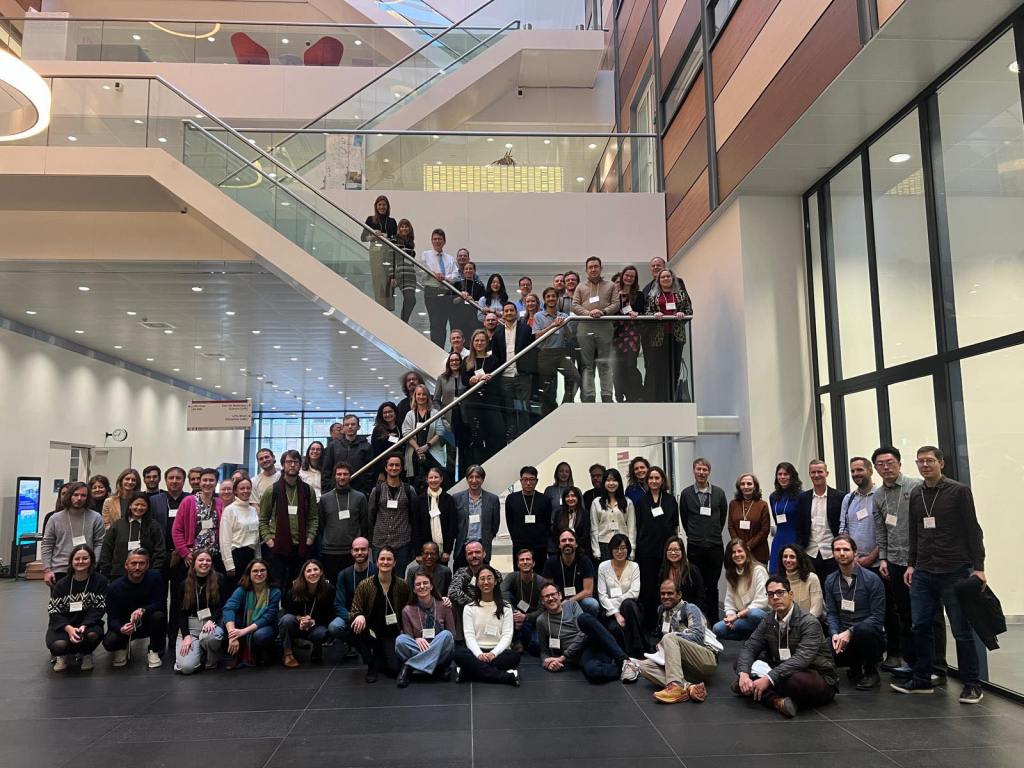
Dec 2025: It was a great ENIGMA summit in Amsterdam, where neurodevelopmental working groups and methods working groups met to share the latest results and tried to find new ways to collaborate. I will share here some of Paul Thompson’s (PI ENIGMA) conclusions of the 2-day meeting:

Today’s ENIGMA Summit compared over 20 brain disorders in tens of thousands of people scanned with MRI, and suggests that:

1. brain disorders that hit very early, before birth (e.g. those due to genomic copy number variants such as genetic deletions) tend to affect cortical surface area, often excessively in primary sensorimotor cortex

2. neurodevelopmental brain disorders that hit after birth but before adolescence tend to reduce cortical surface area more than (i.e. with greater effect sizes than) they reduce cortical thickness but more in a transmodal association cortex pattern than a primary sensorimotor pattern; these can be split into an strong externalizing and a weak internalizing pattern depending on the disorder type [4]

3. brain disorders that hit after puberty tend to affect cortical thickness, more so than regional cortical surface area, with some exceptions, as do adult onset disorders

4. the last category of mainly-thickness-deficit disorders can have their abnormality decomposed into 3 components – (1) a general component common to all disorders (PC1 in Zhipeng Cao’s work [2]), (2) a disorder specific component, and (3) a medication effect

5. focusing on the first two of these, there is a transdiagnostic covariance [1] that spans the set of disorder effects on the cortex and consists of 2 primary axes of disturbance, G1 and G2

6. to some extent, the amount and anatomical distribution of structural brain deviation in a disorder depends on the location and profile of greatest normal age-related brain change that is normally occurring in healthy people when the disorder hits and can look like an exaggerated version of that change, i.e. ‘aging’ 

7.  some of this is set out more formally in the transdiagnostic ENIGMA papers by Meike Hettwer/Sofie Valk on transdiagnostic covariance [1] and brain gradients, and in the linear PCA paper by Zhipeng Cao Hugh Garavan and ENIGMA [2]. For the CNV part see work by Clara Moreau [3], and for the childhood part see work by Sophie Townend and 4 of the ENIGMA neurodevelopmental working groups [unpublished except an abstract]. 

This is not really obvious until you see all the work presented together (as it was today at the ENIGMA Summit).

References:

  1. Hettwer et al., Nature Communications, 2022
  2. Cao et al., Mol Psychiatry, 2022
  3. Moreau et a., Curr Opin Genet Dev 2022
  4. Townend et al, https://osf.io/g42u5/
Uncategorized

Saying goodbey to Luca

Nov 2024: It was only a short visit of 9 weeks, but it was a great experience having Luca Hargitai, PhD student from the University of Bath in our group. We are sad to say goodbey and will miss her so much but fortunately, we have set up a very exciting new project when she was in Nijmegen, so we will keep on working together.

Goodbey lunch @ Plek in Nijmegen

Uncategorized

Lab retreat: working on a lab-handbook and ‘klootschieten’

Nov 2024: The lab-groups of Corina Greven and Martine Hoogman joined forces to together work on a lab handbook for both labs. This was done during a 1,5 day lab retreat at the Holthurnsche Hof in Berg en Dal. It was a great success, and talking about our lab culture, development as a researcher, scientific vision and practicallities mainly for newcomers also brought us closer to one another. To get some fresh air, we put on our rain coats and went outside for a round of ‘klootschieten‘.