Uncategorized

Shortlisted for the Radboudumc Open Science Award 2026

After winning last year’s Radboudumc Envision award, we were shortlisted for the Radboudumc Open Science Award this year.

The close collaboration between the Sensitivity Lab (PI Corina Greven) and my lab (Positive aspects of neurodevelopmental conditions) was shortlisted for the Radboudumc Open Science Award 2026. This year the focus was on citizen science. With the involvement in Hooggevoelig Heel Gewoon and Hoogsensitief.nl, the realization of the ongefilterd- campaign, the founding of the ADHD science Platform and the Radboudumc neurodiversity network ‘SUNNI’ and we have collectively created many new citizen science projects within the domain of neurodiversity.

We did not win but we all get a lot of energy by practicing open science, we believe that “Science advances most effectively when knowledge is shared openly and created together with the public.”

more information here: Reflection, recognition, and next steps at Research Strategy Day 2026 – Three Radboudumc research awards announced at Strategy Day – Radboudumc

and here https://www.radboudumc.nl/getmedia/7c8059f1-5a61-4025-80db-ffdb3f0cc359/Award-ceremony-17-June-2026.pdf

Uncategorized

ADHDplaza in Didactief

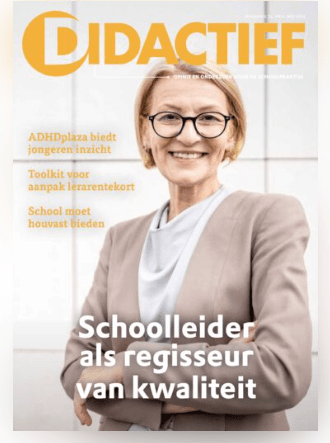
Mei 2026: Voor ons ADHDplaza project ontwikkelden wij een les over ADHD voor middelbare scholen. We delen die les op onze website en hopen dat docenten hier gebruik van maken, en hem bijvoorbeeld gebruiken tijdens een mentor uur. Onze ervaring is dat met name jongeren met ADHD die in de les zitten, het fijn vinden om op deze manier een ingang te vinden om eens stil te staan bij hoe het voor hen is. We hebben de les samen met een jongerenpanel en met onderwijs professionals ontwikkeld. Het onderwijsvakblad Didactief schrijft hier over.

Uncategorized

Lecture about ADHD at the Donders Open day

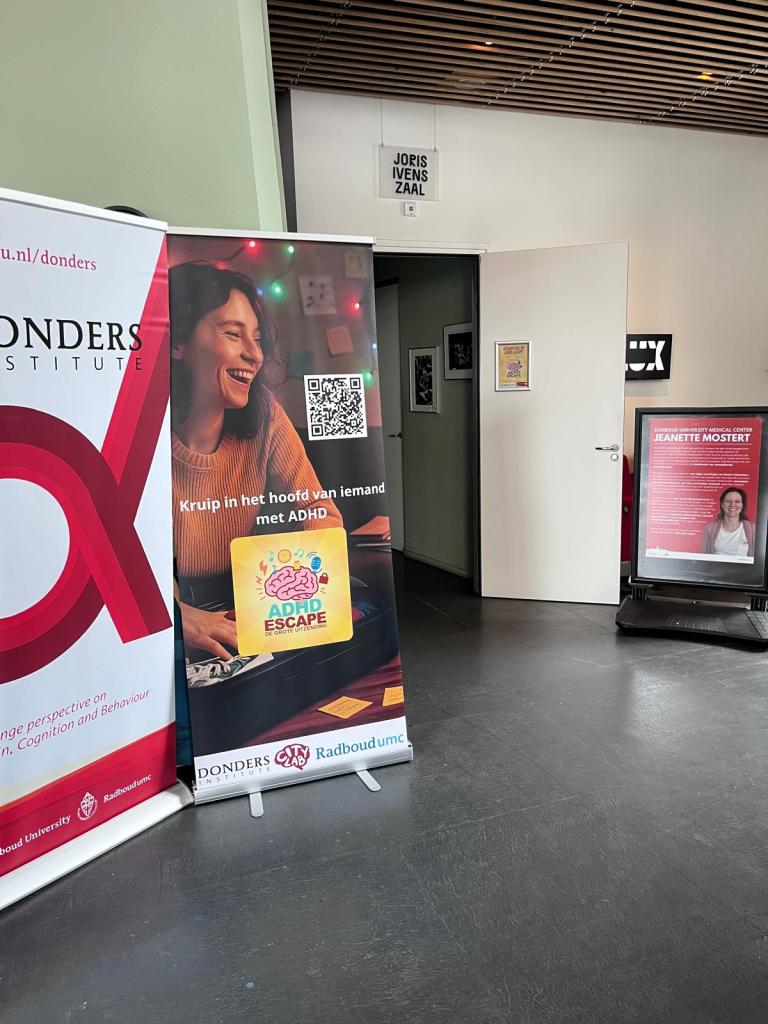
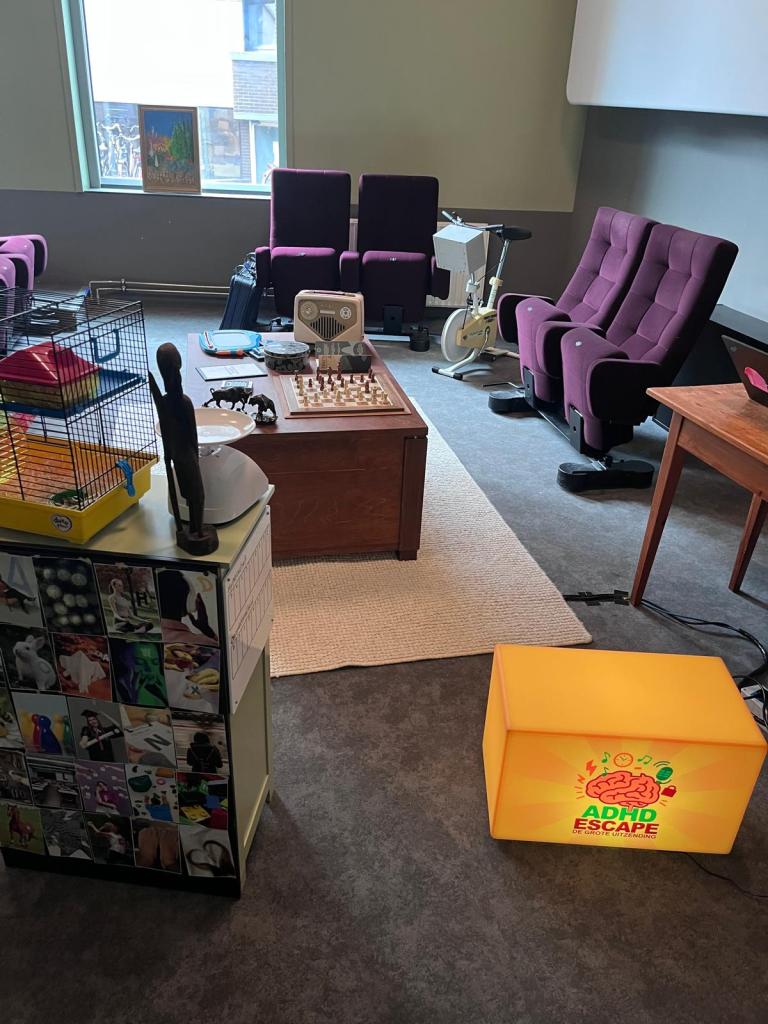
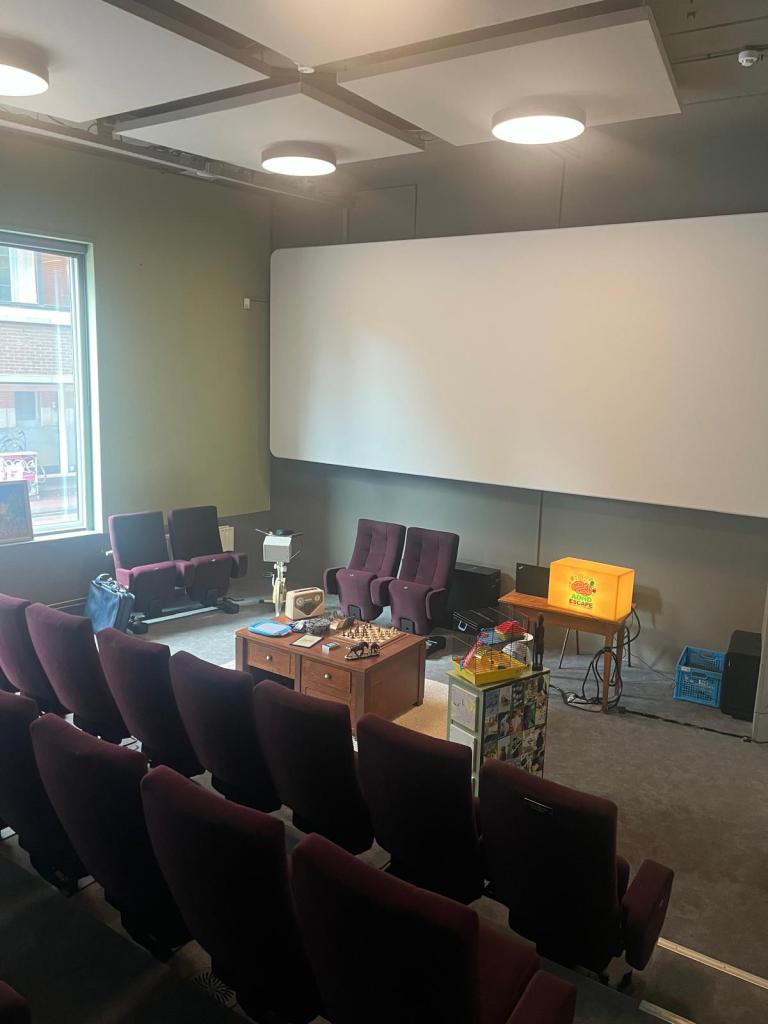
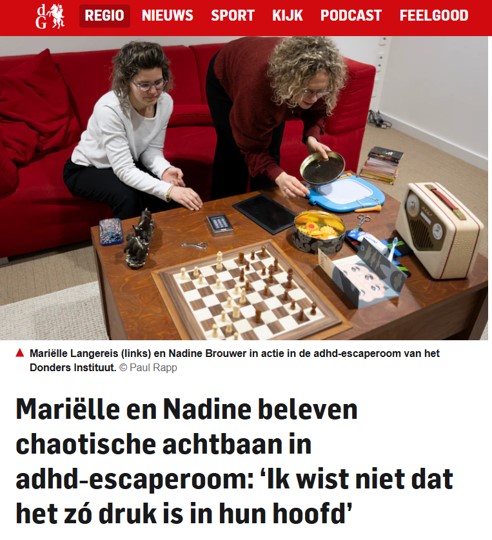
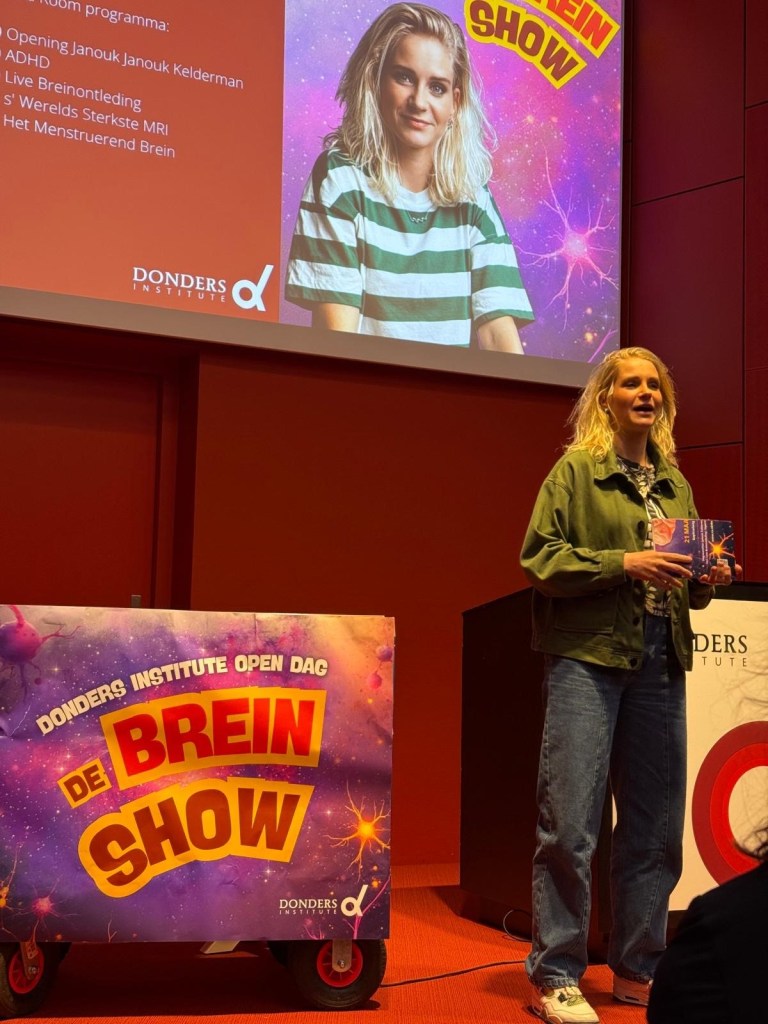
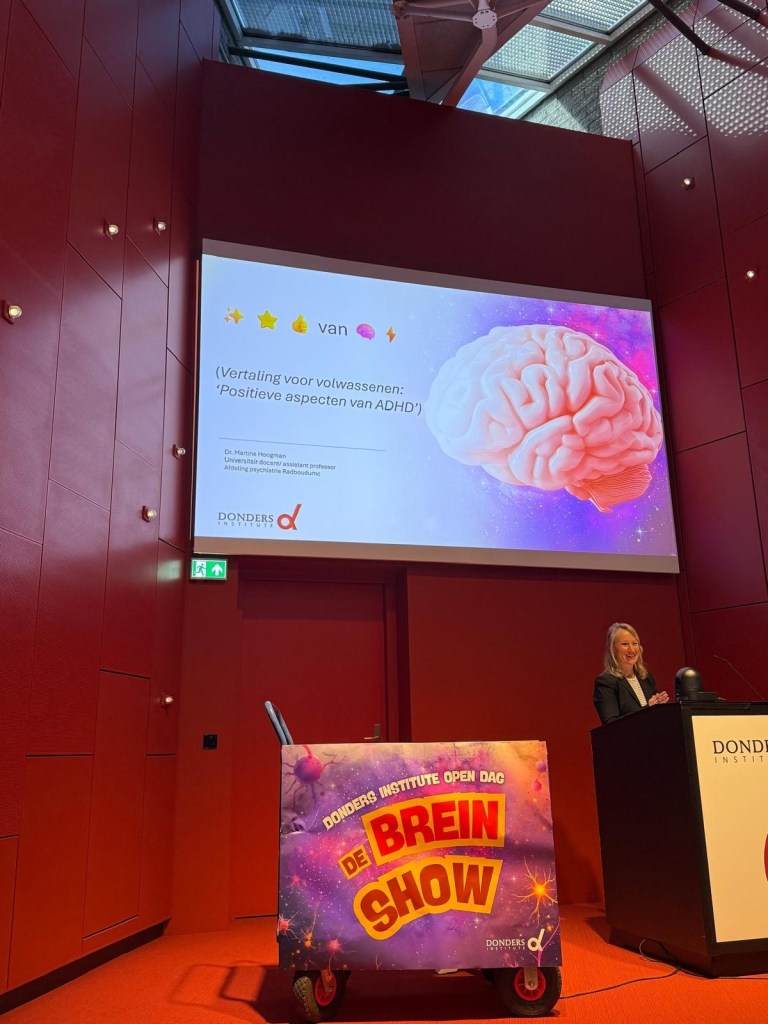
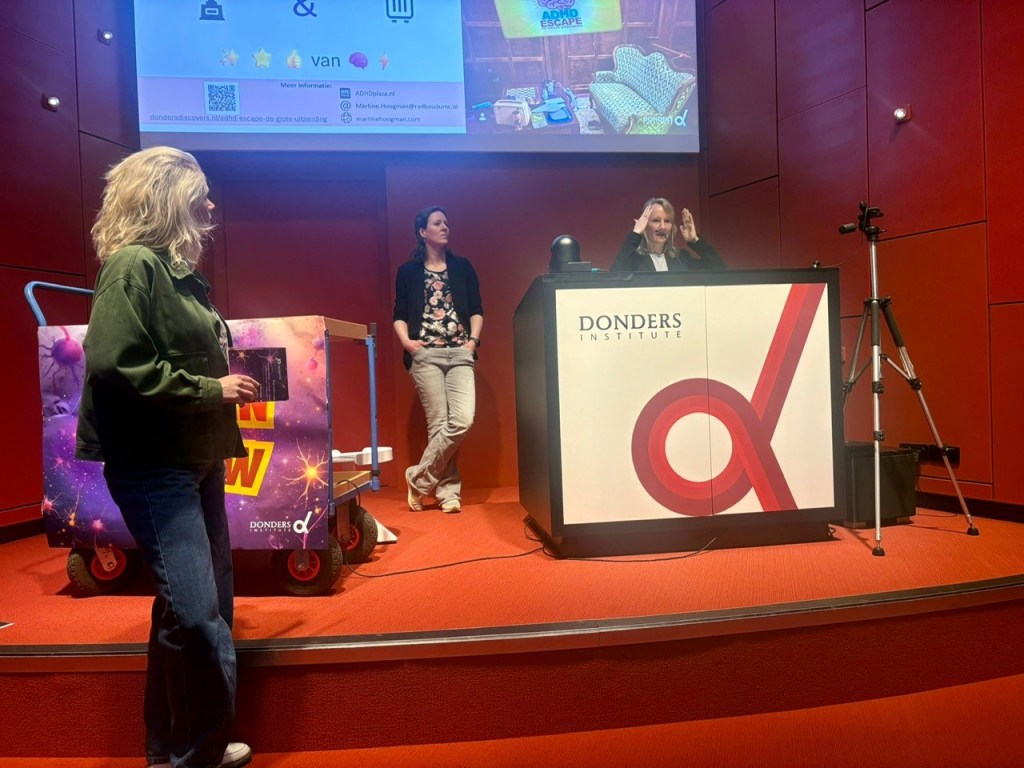
March 2026: on the 21st of March the Donders Institute opened their doors for the public. On this day many researchers displayed their work; there were lab tours, escape rooms (also ours), short talks, experiments and experiences. Martine gave a lecture about positive aspects of ADHD in the Red Room. The room was full and many questions were answered!

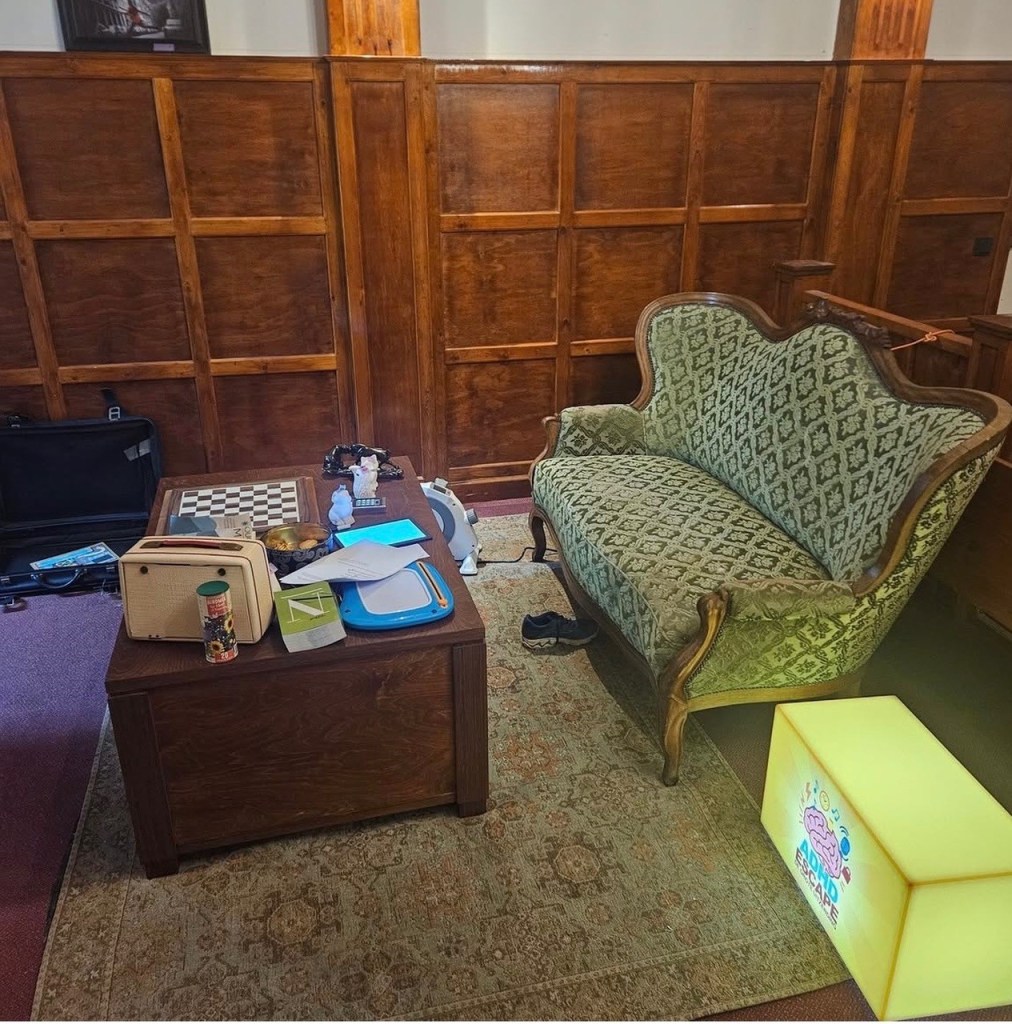
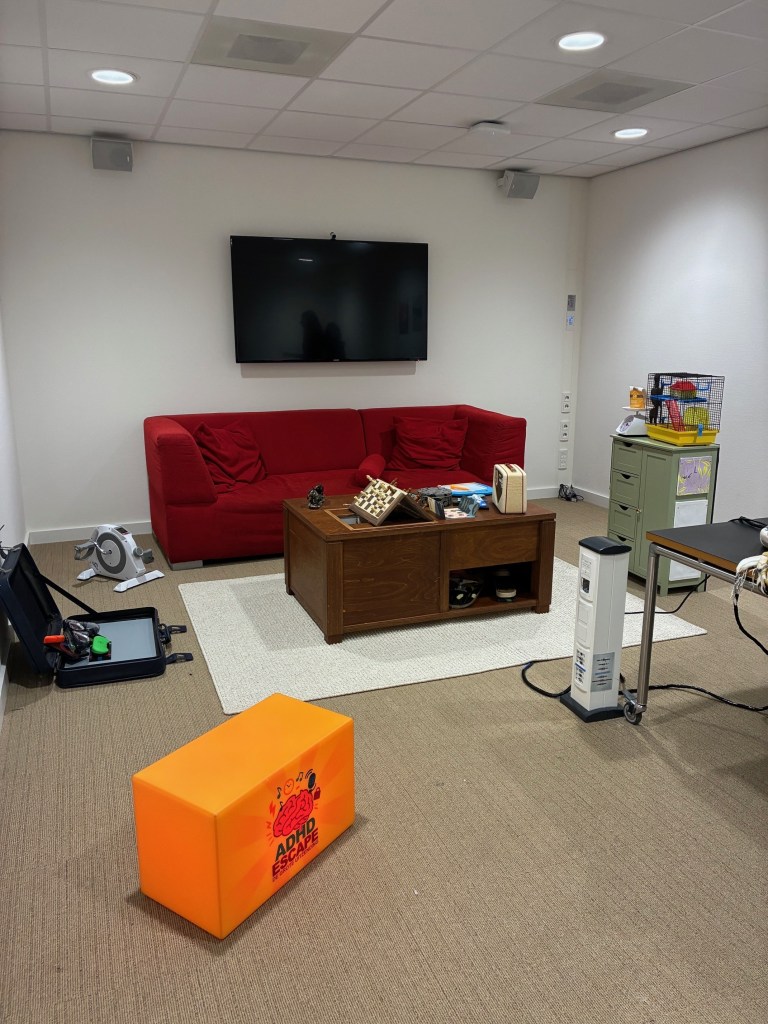
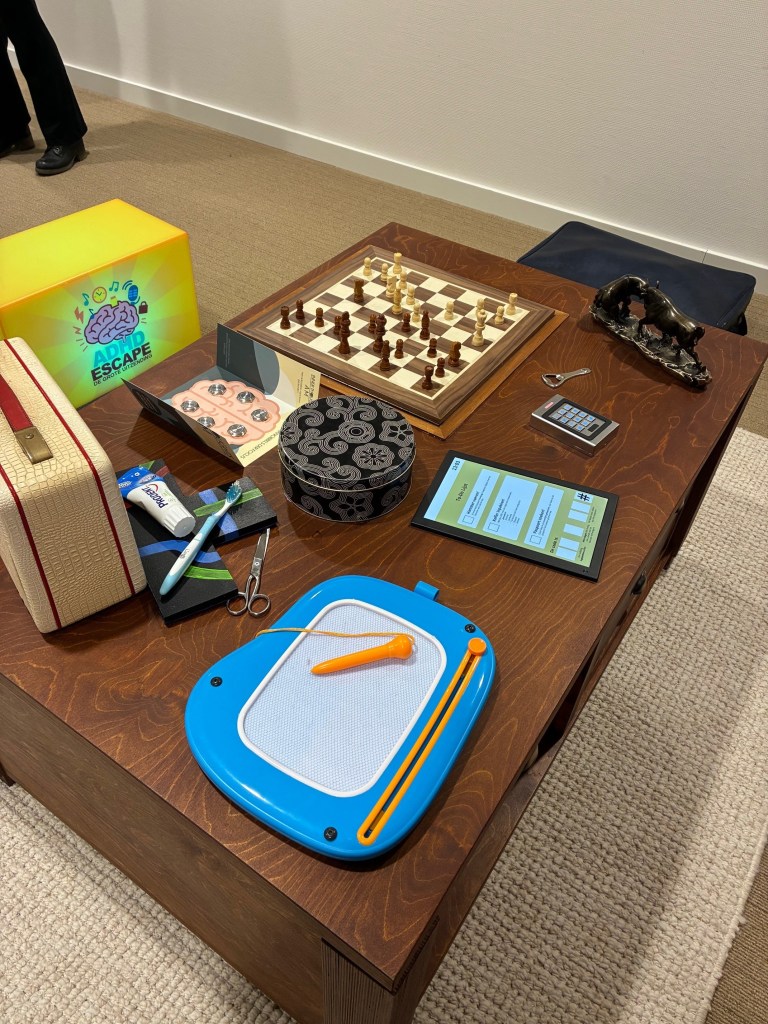
Also our ADHD escape room was open and ready to be played!

ADHD and creativity, Labmembers, Positive aspects of ADHD

ADHDawarenessMonth Post 3: our group’s contributions to the ECNP conference in Amsterdam

Oct 2025: This years European College of NeuroPsychopharmacology (ECNP) conference was held in Amsterdam. Our group was involved with 3 posters, 1 workshop and one symposium

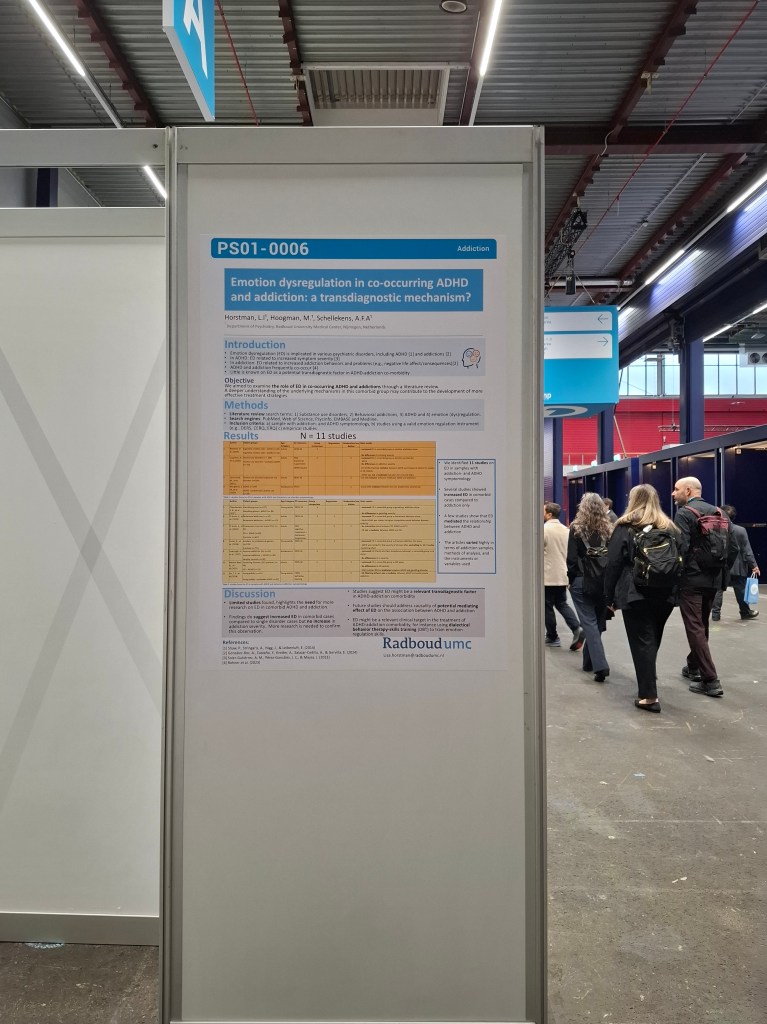
Poster: Emotion dysregulation as a core transdiagnostic symptom in co-occurring substance use disorder and ADHD: a review: Lisa Horstman

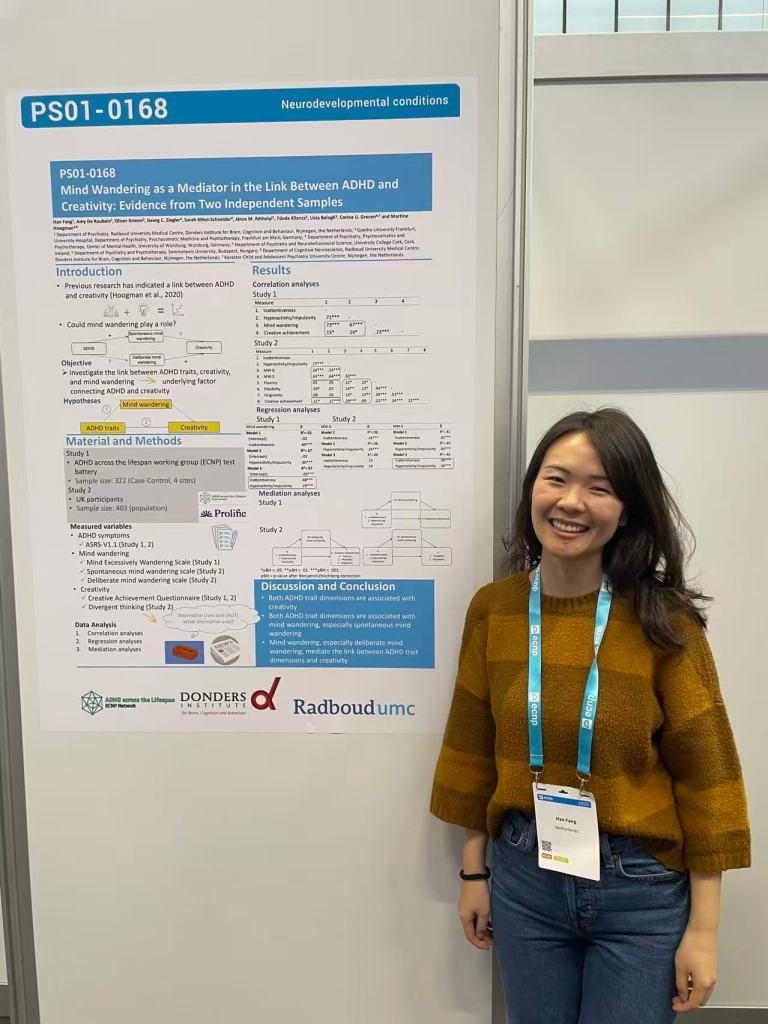
Poster: Mind wandering as a mediator in the link between ADHD and creativity: evidence from two independent samples, Han Fang. ECNP also published a press release about Han’s work, which was picked up by a number of scientific and medical websites.

Poster: Neurodivergent strengths and wellbeing: new insights from attention-deficit/hyperactivity disorder, Luca Hargitai

Workshop: How to excel your career in open science, Jeanette Mostert

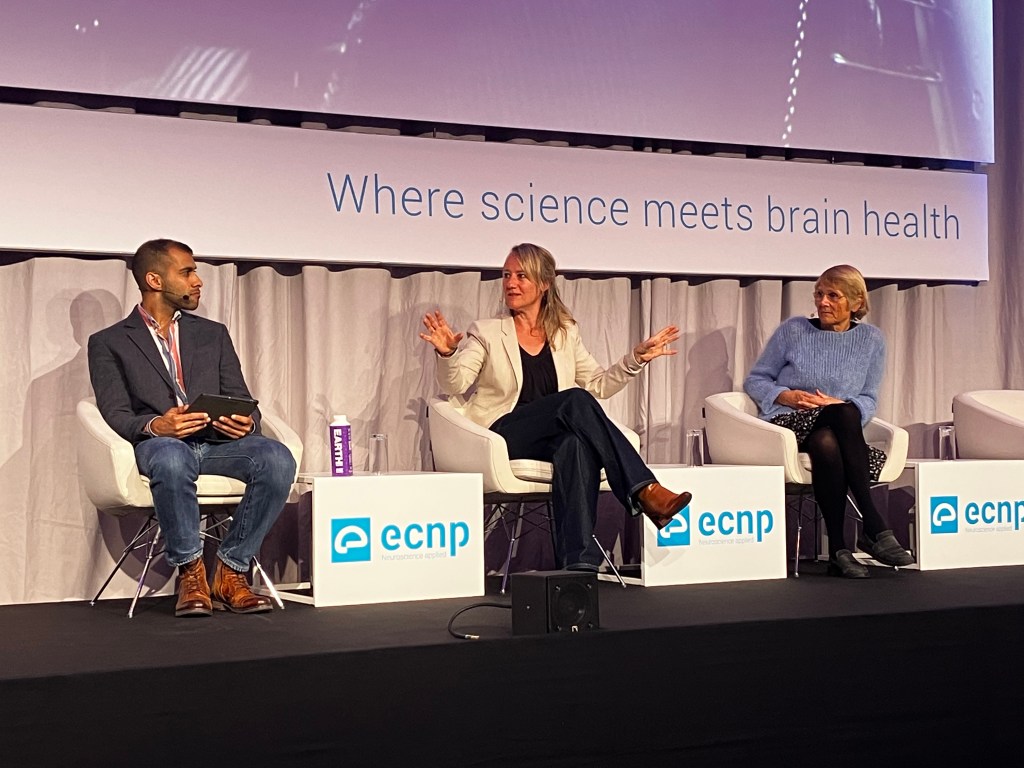
Symposium: Positive aspects and strengths in the context of neurodevelopmental conditions, Martine Hoogman

We all got great feedback and had a good time!

Labmembers, Positive aspects of ADHD

ADHDawarenessMonth Post 2: Radboudumc Neurodiversity Employee Network ‘SUNNI’ kicks off with Lunch Sessions

Oct 2025: Our SUNNI (‘Samen Uniek: Netwerk voor Neurodiversiteit in het Radboudumc’) has kicked off with lunch sessions to share the latest insights from science related to neurodiversity with employees of the Radboudumc. We held our first session on the 9th of October, and PI of this research group, Martine Hoogman, kicked-off with the topic of ‘Strengths in ADHD’. It was a great turn out and there were a lot of valuable interactions among the people in the audience. Looking forward to the next sessions where Emma Sprooten will share information about the neurobiology of neurodiversity (19th of January) and Corina Greven will tell us more about HSP (February 2026). For employees in the Radboudumc, please check out intranet page for more events.

We held our meeting in the Nicolaas Tulp room in the Radboudumc. In the context of strengths in ADHD we looked at this picture and wondered whether there was someone here with ADHD. People with ADHD self-report to be adventurous, novelty seeking and eager to take risks… would the first person who ever cut open someone’s arm, not have to have these characteristics?  
NWO Vidi, Positive aspects of ADHD

ADHDAwarenessMonth Post 1: new paper alert!

Oct 2025: It is again ADHD awareness month! All the more reasons to share our new paper published in Psychological Medicine: Hargitai, L. D., Laan, E. L. M., Schippers, L. M., Livingston, L. A., Fairchild, G., Shah, P., & Hoogman, M. (2025). The role of psychological strengths in positive life outcomes in adults with ADHD. Psychological Medicine55, e278. doi:10.1017/S0033291725101232

📊 Our study, a collaborative effort between the University of Bath, Radboudumc and King‘s College London, compared 200 adults with ADHD and 200 adults without ADHD on how much they endorsed 25 positive traits (derived from our previous study)

💪 We identified 10 potential ADHD-related strengths – that is, traits that were endorsed more strongly by adults with ADHD than their neurotypical peers. This included things like hyperfocus, humour, creativity, spontaneity and intuitiveness.

😊 Crucially, across both groups, adults who were more aware of their own strengths and those who used their strengths more frequently in their day-to-day lives had better wellbeing, improved quality of life and fewer symptoms of depression, anxiety and stress.

‼️ Our findings provide important support for the development of strengths-based interventions for adults with ADHD, something that the neurodivergent community has been actively calling for.

All credits go to Luca Hargitai, former visiting PhD student in our group and student Emma Laan. Also special thanks to Dr Punit Shah, Prof Graeme Fairchild from the Department of psychology University of Bath, Lessa Schippers from Radboudumc and Dr Lucy Anne Livingston, PhD from King’s College London.

Please also read this interview about our study !